
Doune Castle photos: exterior views and camera advice
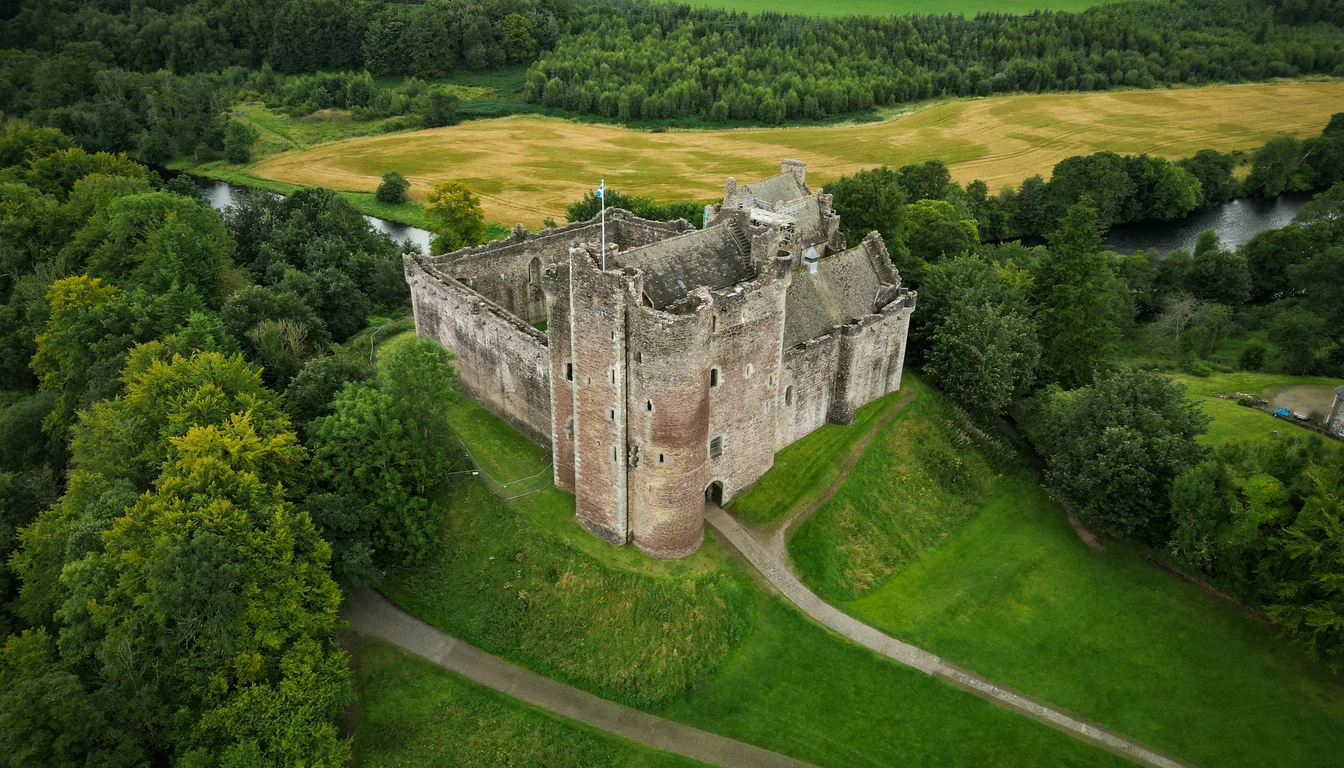
See genuine licensed Doune Castle exterior views and plan your own photographs. Check light, visitor camera advice and commercial image-use limits.
Last updated
The short answer
Plan Doune Castle photos around safe pauses and the light you find. A light bag, clean camera glass and time in the courtyard will serve most visits well. Keep arranged shoots and drone flights separate from normal admission, with permission in place before travelling.
In this guide6
A bright sky and a dim stone room can produce very different Doune Castle photos within minutes of each other. A little planning saves more shots than extra equipment. This guide helps you choose exterior views, handle room light and keep your camera plans within the site's rules.
Take Doune Castle photos as part of a normal visit: start with the exterior, then look for room details as the light allows. Keep paths and stairs clear, protect your camera from rain and avoid assuming that visitor admission permits a professional shoot. Drones need prior consent. The best simple kit is a charged phone or camera you can use safely with one hand while moving through the castle.
Plan Doune Castle photos around the building
Begin with a wide view before you enter. It records the full mass of the towers and walls while the approach still gives you some distance. Take a second, tighter frame after reaching the entrance. That lets you compare the building as a whole with the stonework that gives it texture.
The castle overview describes views over the River Teith and towards the hills. Look for those views during the visit rather than treating each window as a place to rush past. A frame with a wall edge can help show where you stood. Don't lean past a barrier or step off a marked route to remove that edge.
The courtyard offers another scale. Try a frame that includes the open ground and the wall above it, then a close detail of stone or a doorway. If other visitors enter the shot, wait or use a tighter frame. Nobody owes you an empty courtyard because you bought a ticket.
These are suggestions for photographs, not a promise of a clear view or open room. Check the castle overview and visitor areas before building a fixed shot list.
Take Doune Castle photos in changing light
Stone walls can be darker than the sky. On a phone, tap the wall to check exposure and take a second shot with less sky. Review both while you are standing still. If the bright sky is blank white, a lower exposure may keep more detail, though the stone will look darker.
Inside, hold the camera steady and wait for your body to stop moving. Window light can work well on a wall or doorway. A wider view may need more light than a close detail. Let a dim room look dim rather than trying to turn every corner into daylight.
Keep a dry cloth and a simple rain cover close to hand. Drops on a phone camera can blur a shot even after the rain stops. Wipe the glass before blaming the focus. Put equipment away on the steep approach and on stairs; you can pause for a photograph once you reach a safe place.
The access page describes uneven cobbles, raised thresholds and spiral stairs. Those details matter to photographers carrying a bag. Pack lightly enough to keep a hand free for a rail. A bulky tripod can be a burden even when the camera itself is small.
Check permission before a planned Doune shoot
Professional photography follows the site's filming permission route. Drones require prior consent from the land manager. Do not treat the absence of a sign as approval, and don't launch from the grounds on the strength of a standard ticket.
The filming and photography permission rules explain the published arrangements. They distinguish an arranged production from a normal visitor day. If you need equipment, models or a staged shoot, ask for written permission before making travel plans around it.
A guided day route can limit how long you have to wait for light or clear space.
Independent travel gives more control at Doune, while still leaving you responsible for return travel and closing time.
Plan the next part
Use the Doune Castle overview to choose the main rooms. Read the visitor suitability review if access or time is a concern, then arrange a meal in Doune after your camera walk.
FAQ
Can I take photographs inside Doune Castle?
Check the rules and any signs in the room on your visit day. The main rooms are part of the published visitor route, but a professional shoot follows a separate permission route. Keep doorways and stairs free for other visitors. If you need extra equipment or arranged subjects, ask in advance.
Can I fly a drone at the castle?
The site manager requires prior consent for drone use from properties in its care. A normal admission ticket does not grant that consent. Check the written permission route before planning a flight. Aircraft rules also apply, but meeting those rules alone does not give permission to use the castle grounds.
What camera should I bring?
A phone or camera that you know well is enough for a varied set of visitor photographs. Bring a full battery and room to store the files. Choose a bag that leaves a hand free on stairs. Extra gear is less useful if it makes the steep, uneven approach hard to manage.
Is a guided tour good for photography?
A tour may suit a broad record of several filming places in one day. Check the stop length and whether you enter Doune before booking. If one view or the room light matters most, independent travel gives more time control. Neither option guarantees empty spaces, good weather or the light you want.
Verdict
Plan Doune Castle photos around safe pauses and the light you find. A light bag, clean camera glass and time in the courtyard will serve most visits well. Keep arranged shoots and drone flights separate from normal admission, with permission in place before travelling.