
Doune Ponds: woodland paths and a quieter afternoon
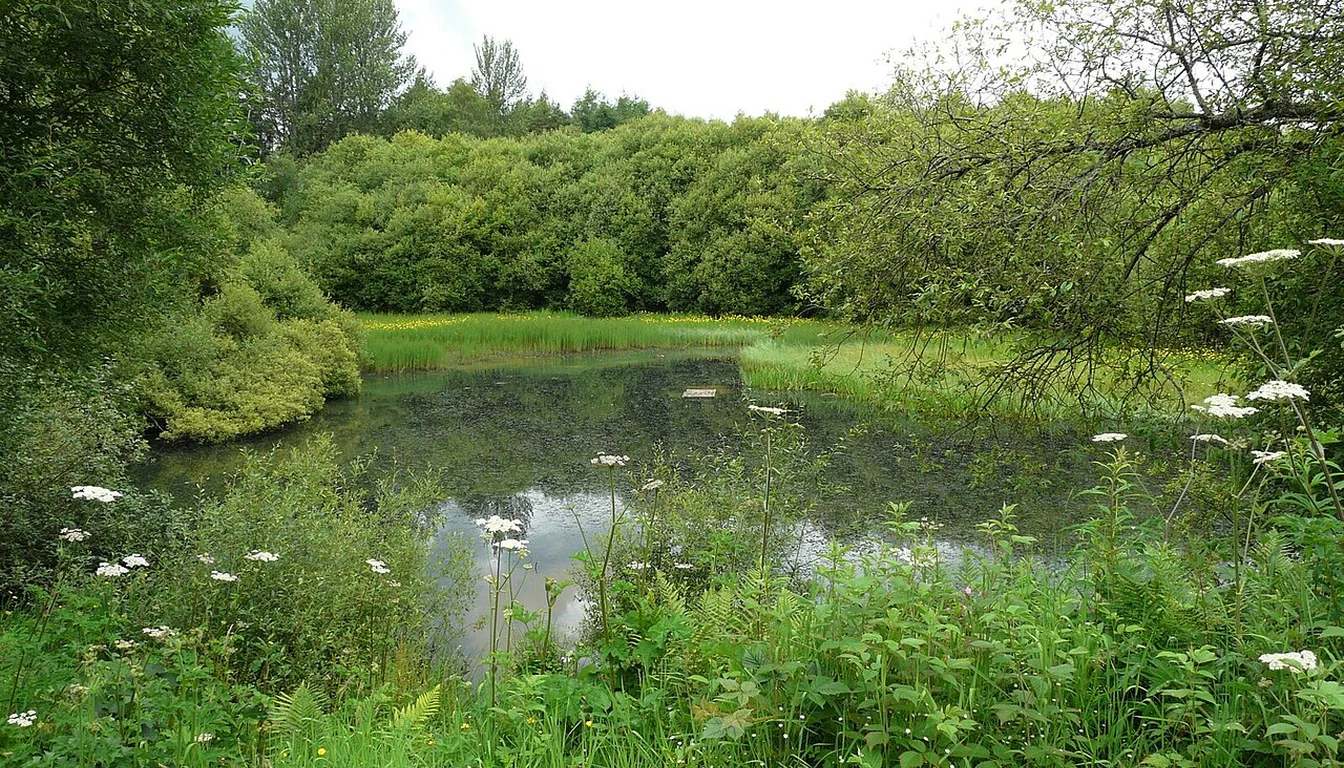

Plan a woodland walk at Doune Ponds. Check the path network, entry points and weather before combining the reserve with a castle visit.
Last updated
The short answer
Doune Ponds is a good choice for a slow outdoor stop after the castle. Use the main circuit for gentler ground and leave rough paths optional. The reserve works best when you give the wildlife space and treat a picnic as a quiet pause in the day.
In this guide6
Doune Ponds gives a castle day a slower second stop. The main paths, pond views and picnic space suit a short walk, while rougher parts ask more of your footing. This guide helps you choose a route, plan for wet ground and visit without disturbing the wildlife.
Use the main Doune Ponds circuit for a gentle walk, then add quieter corners only if the surface suits your party. The reserve occupies former gravel pits and has three large ponds, hides and picnic areas. The North Pond area is rougher than the main route. Keep children close near water, avoid feeding bread to ducks and follow the no-fishing and no-fires rules. Check local path notices before setting out.
Choose your Doune Ponds route
The local walking guide describes the reserve as having an all-abilities path network. That applies to the main visit choice, not every branch and stair link. It also describes steps up to the Commonty Walk. Stay on the main circuit if a flat route is your priority.
Start near the car park and follow the signs towards the Central Pond. This is the main picnic and viewing area. You can turn a brief stop into a longer walk without needing to head for the steep link. For a first visit, allow 45 to 60 minutes as a planning estimate, with extra time for a picnic or slow birdwatching.
The North Pond area has been left rougher. Choose it only if everyone in your group can manage the ground. A dry route can feel quite different after rain. Don't use a general claim of an all-abilities network to promise that every path is suitable for wheels.
The current reserve description and local walk guide explain the published arrangements. Use their route detail alongside signs at the reserve. They are better planning sources than an old event page.
Watch wildlife at Doune Ponds with care
The Central Pond has a viewing walkway and a hide. The local source describes ducks, herons and other water birds. Treat those as species you might see, not a sighting promise. Sit quietly for a few minutes before moving on; a fast circuit may show you less than one patient pause.
The West Hide Pond gives a different view from the main picnic area. The reserve page records a replacement hide in 2025. That is a dated record of work, not a guarantee that every facility is open on your date. Follow any closure notice and keep out of work areas.
Don't feed bread to ducks. The local walk guide asks visitors to avoid it, and the reserve page suggests proper waterfowl feed or porridge oats as alternatives. Feeding is optional; you can enjoy the birds without carrying food at all. Keep children from throwing whole piles of food into the water.
No fishing or fires, including barbecues, are permitted. A picnic is a better fit than a cooked outdoor meal here. Pack food that is easy to eat, carry rubbish away and avoid leaving scraps for birds. Keep bags and children back from the water edge while you settle down.
Fit the reserve into a Doune castle day
The castle visit page recommends the Draggie Burn Park & Stride beside the reserve. It gives a 20-minute walk to the castle. That makes a pond stop useful before or after admission, but it doesn't turn the two places into one ticketed site. Plan your castle arrival separately.
If you want a quieter finish, visit the rooms first and use the ponds after lunch. If rain is due later, reverse that order only after checking the castle slot. Woodland does not make a wet day dry, and cold wind can still make a picnic brief.
A wider historic day takes time from the woodland stop.
A single castle and pond walk may be enough if your party prefers pauses to a full checklist.
The reserve has hosted local events, but old event descriptions do not confirm future dates. Check a current notice if you are travelling for an activity. Don't build a family day around a past Easter or seasonal trail listing.
Plan the next part
Use the Doune village guide to combine castle, lunch and a walk. The Roman fort guide offers a different outdoor stop, with buried archaeology rather than pond paths.
FAQ
Are Doune Ponds paths suitable for wheelchairs?
The local guide describes an all-abilities path network, while the reserve page identifies rougher ground near the North Pond. Choose the main route and check current surfaces and signs. Steps link the reserve to another walk, so don't assume every exit is step-free. Wet ground can affect the route too.
Can you have a picnic at the ponds?
The Central Pond has a main picnic area, and the local walking guide lists picnic tables. Bring a cold meal and take rubbish home. Fires and barbecues are not permitted. Allow for the weather and keep children near you around water, even when the picnic area feels calm and sheltered.
Should I feed the ducks?
You can watch them without feeding. If you do bring food, avoid bread, as the local source asks. Suitable waterfowl food is a better choice, and the reserve page also suggests porridge oats. Use small amounts and keep children back from the water edge while feeding or watching birds.
Can I combine the ponds with the castle?
Yes, the castle's published Park & Stride route begins beside the reserve and allows about 20 minutes for the walk to the castle. Keep your booked entry time in mind. A pond circuit, lunch and a castle room visit need separate time allowances, especially in winter when castle closing comes earlier.
Verdict
Doune Ponds is a good choice for a slow outdoor stop after the castle. Use the main circuit for gentler ground and leave rough paths optional. The reserve works best when you give the wildlife space and treat a picnic as a quiet pause in the day.