
Old Newton of Doune: history and access explained
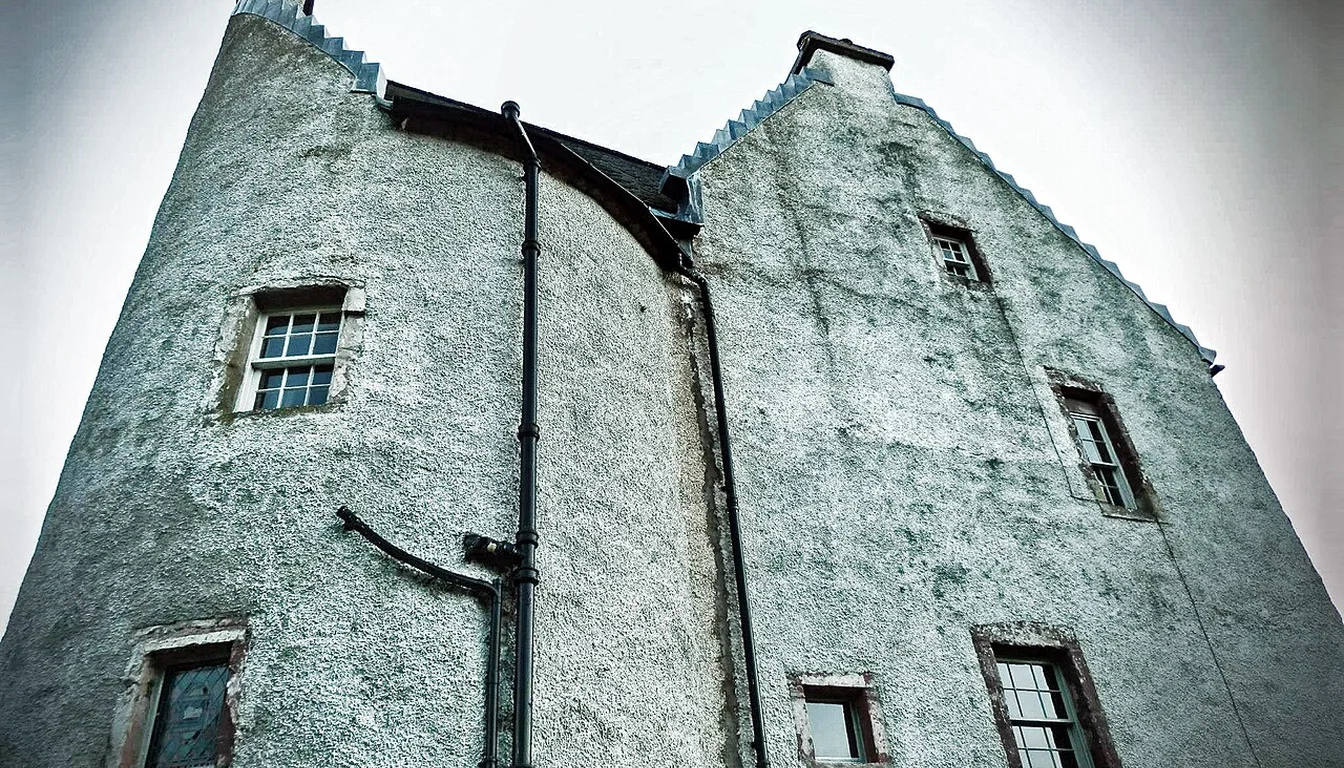

Read the history of Old Newton of Doune and understand its private setting. Separate a heritage walk from assumed interior or garden access.
Last updated
The short answer
Old Newton of Doune belongs in the area's history, with clear limits on dates and access. Read about it before your village visit, but plan public castle rooms and established walks as the day's firm stops. Check current access directly before travelling to the house.
In this guide7
Old Newton of Doune is a historic house near the castle, but that does not make it another castle attraction with public room access. The dates need care too. The local source gives more than one. This guide shows what is known and what is unclear. It helps you plan where to go.
Treat Old Newton of Doune as a historic house in the Inverardoch estate, rather than a public walk-through attraction. The local history source describes an L-plan building with thick walls, but uses both 1500s and mid-1600s dating. The two dates leave the building's exact age unclear. Claims that it is among Scotland's oldest inhabited houses need stronger proof. Plan the public castle and village paths first; do not assume a booking, room or garden access here.
Place Old Newton of Doune in its local setting
The local Inverardoch account places the house east of Doune, in the estate near the Ardoch Burn and River Teith. It describes Old Newton within a walled garden. That gives it a different setting from the large medieval courtyard castle nearby. The two places share an area, but they are separate buildings with separate access rules.
The same account describes the Old Bridge of Ardoch and the former mill. Those landmarks help explain how the river and burn shaped local movement and work. The old bridge is described as a narrow, single-arch bridge dating from 1735. The mill, now a ruin, once used water from the burn to grind grain.
These facts are useful context for a Doune visit. They are not directions to enter a private house or garden. A road shown in a history account may serve homes and estate work. Don't turn it into a visitor route without checking current signs and access information.
The Inverardoch and Old Newton local history account describes the house's setting and L-plan form. It is a useful account of the estate, rather than a survey of Scotland's oldest houses.
Read Old Newton of Doune's dates with care
The source calls Old Newton a mid-1600s building in one passage. In another it calls it a 1500s L-plan building, with evidence of an earlier structure. Those statements don't provide one clean build date. Repeating only one would hide the conflict rather than resolve it.
An L-plan means that the building's footprint forms an L. The source describes very thick walls and arrow slits at ground level, with steep stairs to the upper floors. These details suggest a house designed with defence in mind. They do not by themselves date every part of the building.
The local account says ground-floor rooms were adapted for domestic use in the 1700s and 1800s. Later use can leave changes within an older structure. A building may keep early walls while its rooms and fittings belong to several later periods. That is another reason to avoid giving the whole house one date without a stronger building study.
The source also makes a claim about being among Scotland's oldest houses still in use. Read that as a local description rather than a settled national ranking. Such a claim needs a clear test of use without a break and a comparison across the country. A local account alone cannot establish the rank across Scotland.
Keep the distinction when you discuss the place with travel companions. You can say it is an old fortified house linked with the Inverardoch estate. You should avoid stating a precise first date, an unbroken occupancy record or an age rank across Scotland as settled fact.
Check access before adding the house to a Doune day
The local page describes historic holiday stays. That is not evidence of public room tours, a visitor admission desk or a garden opening schedule. Staying in a property and visiting it for a day are different kinds of access. Neither should be assumed from an exterior image or a history paragraph.
Check current availability and booking terms directly if you want to stay. If the house itself is the reason for your trip, you need a current direct answer about access before travelling. Do not arrive expecting someone to admit you because it appeared in a castle itinerary.
For a casual village visit, make the house background reading rather than a required stop. The castle has a published visitor route and admission system. Doune Ponds has a local walking account. Those give you firmer building blocks for a day than uncertain entry to a private historic property.
If you see estate buildings from a known route, respect boundaries and other people's privacy. Don't go through gates to obtain a better photograph. A long history makes a place interesting, but it does not remove the normal need to check where a visitor may go.
Choose a public history route around Doune
Start with Doune Castle if you want rooms to visit. Its great hall, kitchen and private halls show a larger medieval residence. The Roman fort adds an earlier period, although its remains are mostly buried. Old Newton then becomes part of the area's story rather than a substitute for either public stop.
The local castle-and-river walk is listed as 2.8 kilometres with an hour on foot. It has narrow, muddy sections and slopes. The main circuit at the ponds is a gentler alternative. Use the local walk accounts and follow signs rather than improvising a route through the estate.
For an explained room visit, a public castle is a firmer choice.
A second public castle can meet that need more reliably than expecting access to a historic house with no verified day-visit arrangement.
Keep the final afternoon flexible. Choose a walk if the weather and footing suit the group. Choose lunch and a short village pause if the castle stairs have been enough. Old Newton's history can add to either plan without turning uncertain access into the centre of the day.
Plan the next part
Use the Doune village guide for a public route through the area. The Doune Ponds guide offers a quiet walk with a main circuit and picnic space, without relying on room access to a house.
FAQ
Can the public go inside Old Newton of Doune?
Do not arrive expecting a public room tour or a day-entry desk. The local history account describes holiday stays, which are a different kind of access. Get a current direct answer before planning around the house. For rooms you can book to visit, use the published castle admission route instead.
How old is Old Newton of Doune?
The local account gives both 1500s and mid-1600s dates, and mentions earlier evidence. Those passages do not settle one date for the building. Read the two dates as an unresolved history rather than one firm build year. A detailed building record would be needed before choosing a precise build date or dating every surviving part of the house.
Is it Scotland's oldest inhabited house?
Treat that ranking as a local claim, not a proven fact. A rank across Scotland would need clear dates, evidence of use without a break and comparable records for other houses. You can still appreciate the house's fortified form and local setting without presenting the ranking as fact.
Is Old Newton part of Doune Castle?
No, they are separate historic buildings. Old Newton is described within the Inverardoch estate, while Doune Castle has its own visitor admission and room route. Do not assume a castle ticket includes the house or its garden. Use the house as local context unless current access has been directly confirmed.
Verdict
Old Newton of Doune belongs in the area's history, with clear limits on dates and access. Read about it before your village visit, but plan public castle rooms and known walks as the day's firm stops. Check current access directly before travelling to the house.