
Doune Roman fort: what remains beside the castle

Understand the buried Roman fort beside Doune Castle. Learn what the archaeology shows and why a visit differs from a site with standing ruins.
Last updated
The short answer
Doune Roman fort rewards a visit with the right expectations: buried archaeology, river-crossing context and a short outdoor stop. Read the record first if Roman history is the reason you are coming. Combine it with the castle for contrast, rather than expecting the same kind of visible remains.
In this guide6
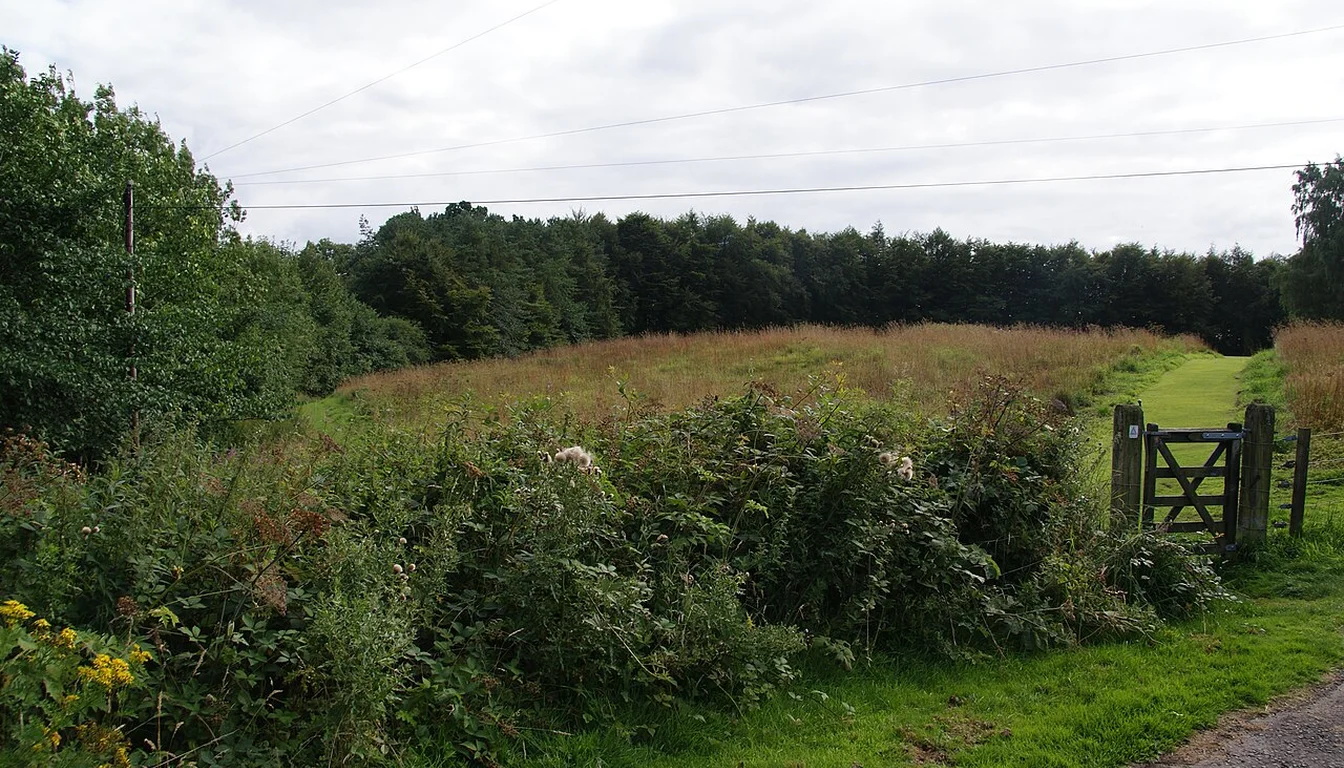
Doune Roman fort can be easy to misunderstand if you arrive expecting walls like those at the castle. Most of it lies below the ground. This guide helps you read the setting. It shows what is buried and what you can see. You can then fit a short stop into the day.
Doune Roman fort is a late first-century site with buried remains, cropmarks and buildings found in digs. It stood on high ground above the River Teith, close to the later medieval castle. Visit for the location and site story rather than a row of standing Roman walls. Stay on signed routes, respect the playing-field use of the land and read the protected-site record before you go if Roman history is your main interest.
Understand what Doune Roman fort preserves
The site record describes the buried remains of a Roman fort. Cropmarks seen from the air trace parts of its triple defensive ditch. Cropmarks are differences in crop growth over buried features; they are not walls you can always see from a footpath. The record estimates an overall size of three hectares.
Digs found internal road surfaces, ovens and building foundations. These findings tell us about activity within the fort. They do not mean those features are left open for visitors to inspect. Read the record as evidence of what survives below ground, rather than a map of exposed objects.
The fort dates to the late first century AD, during the first Roman campaigns in Scotland. It was built of timber and appears to have had a single phase of use. That distinguishes it from sites rebuilt over several periods. Don't label it a medieval outwork of Doune Castle or merge it with the later stone building.
The Doune Roman fort protected-site record, SM12757 provides the visitor information. It is the primary source for the date, buried remains and protected area. The legal document and mapped boundary are separate from the record's explanatory text.
Read the River Teith setting at Doune Roman fort
The fort stood on a level ridge. This is high ground above the lower land. The record places it about 20 metres above its surroundings. Steep slopes on several sides helped make the position easy to defend. Looking at that ground gives the stop a purpose even when the remains themselves are out of sight.
The River Teith is central to the choice of site. The record describes the fort as controlling a local crossing and serving as a base in the area. You don't need to imagine a full reconstruction to see why high ground above a river would matter. Compare the fort's location with the castle without assuming both sites had the same job.
The site account lists work in 1984, 1999 and 2008 after discovery in 1983. Those dates explain why the evidence comes from several digs. They are not a schedule for public digs, and no excavation visit is promised here. A present-day stop is about the known site and its setting.
Keep the difference between certainty and inference clear. Pottery helps date the stay. The source also explains why troops may have come here. It uses these finds and other forts to do so. You can enjoy the place while leaving room for questions that future digs may answer.
Make the fort a short stop near Doune Castle
The local castle-and-river walk passes an information board about the fort. Use the local walking route description for context and follow current signs on the ground. Allow 15 to 30 minutes as a planning estimate if you want to read and look at the setting.
Some of the scheduled area includes playing-field use. Respect that use and don't cross active games to chase a map outline. Protection of buried remains does not mean visitors may dig, collect finds or move stones. The visible land surface is only one part of the site.
Pair the stop with the castle rooms if you want a long span of local history. The Roman base and medieval residence make a useful contrast.
In wet weather, keep the fort visit brief and avoid treating grassy ground as an all-weather route. The local riverside loop includes narrow, muddy sections and slopes. Choose a shorter return if anyone in your party is tired after the castle stairs.
Plan the next part
The Doune village guide helps place this stop in a half-day route. Read Old Newton's history and access limits for another part of the area's past, with a clear distinction between a historic house and public visitor access.
FAQ
Are there standing Roman walls to see?
The protected-site record describes buried remains and cropmarks, with buildings and ovens found through excavation. It does not describe a display of standing Roman walls for a normal visit. Go for the setting, the site story and the contrast with the castle. Expecting an exposed stone ruin would set the wrong expectation.
How old is Doune Roman fort?
The protected-site record dates it to the late first century AD. Pottery from the digs helped establish that date, and the record describes a timber fort with one phase of use. It is much earlier than the medieval castle. Keep those periods separate when planning a visit that takes in both sites.
Can I visit it with the castle?
The local castle-and-river walking route includes an information board about the fort, so it can fit into the same village outing. Allow extra time rather than treating it as a room inside the castle. Follow current signs and respect any use of the playing fields while you read the setting.
Can I see the uncovered ovens?
The record confirms that ovens were found during digs. It does not establish that they are exposed as a current visitor display. Don't plan on seeing every recorded feature at ground level. The finds help explain the fort's use, while much of the site remains preserved beneath the surface.
Verdict
Doune Roman fort rewards a visit with the right expectations: buried remains, river-crossing context and a short outdoor stop. Read the record first if Roman history is the reason you are coming. Combine it with the castle for contrast, rather than expecting the same kind of visible remains.