
Getting to Doune Castle from Edinburgh, Glasgow and Stirling
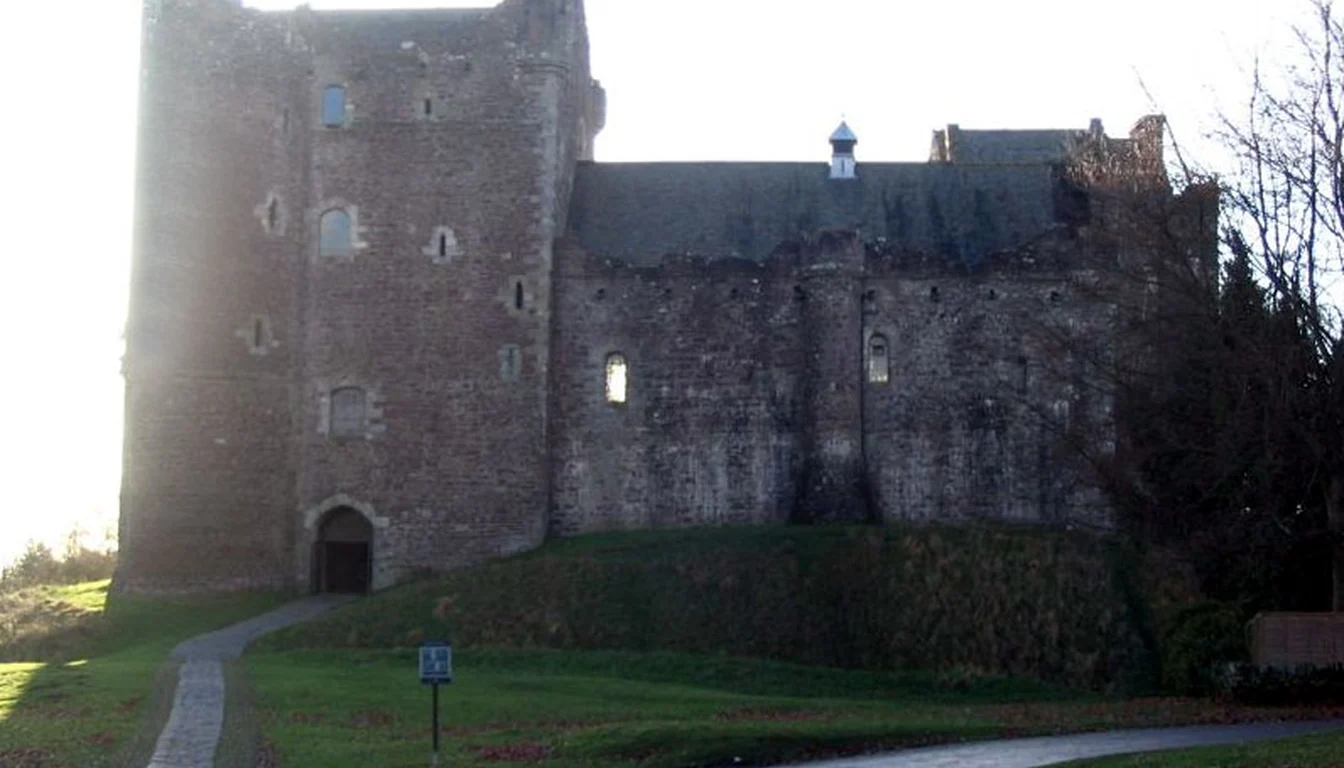

Choose a route to Doune Castle from Edinburgh, Glasgow or Stirling. Compare rail and bus connections, limited parking and the final walk.
Last updated
The short answer
Getting to Doune Castle is easiest when you plan the return before the outward trip. Use Stirling's rail-and-bus route or a village parking plan, then leave a margin for the uphill approach. Check the stairs before booking if the interior is the main reason for coming.
Compare the choices for this visit
| Choose by | 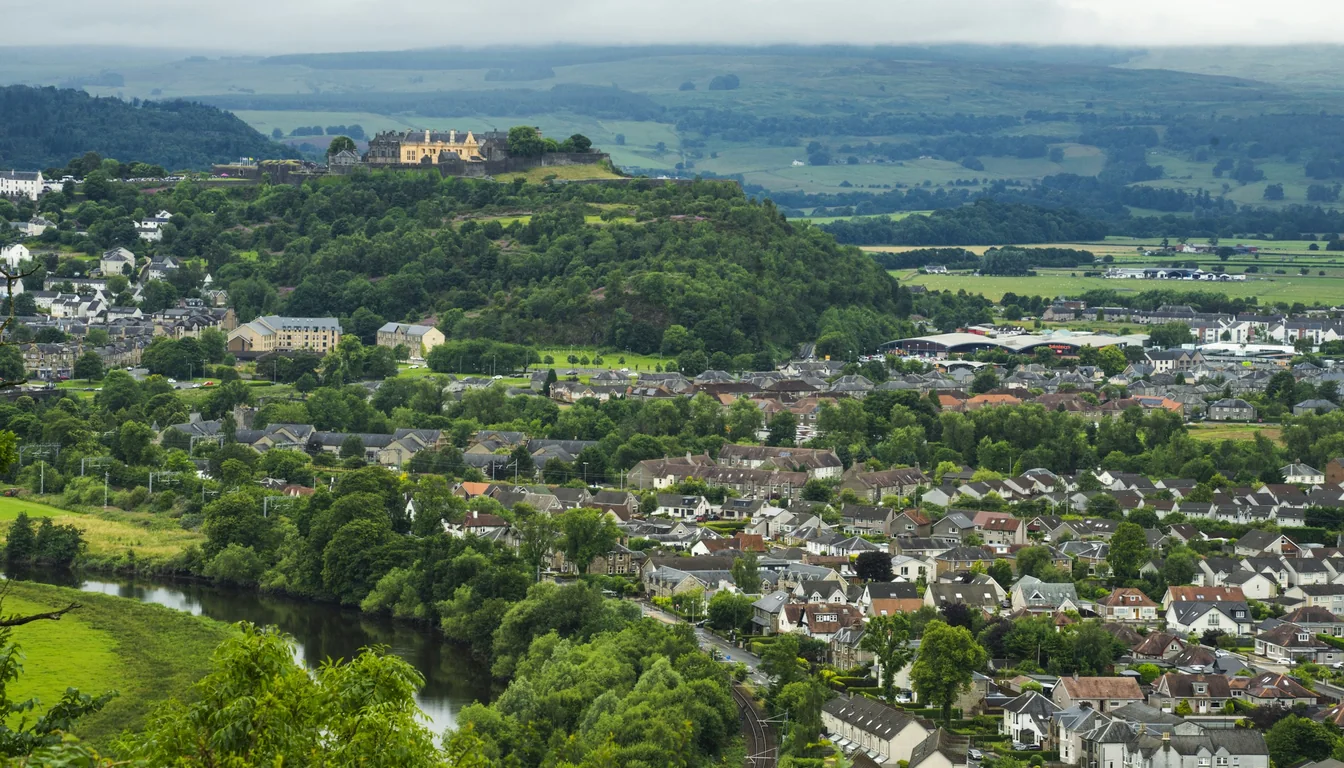 | 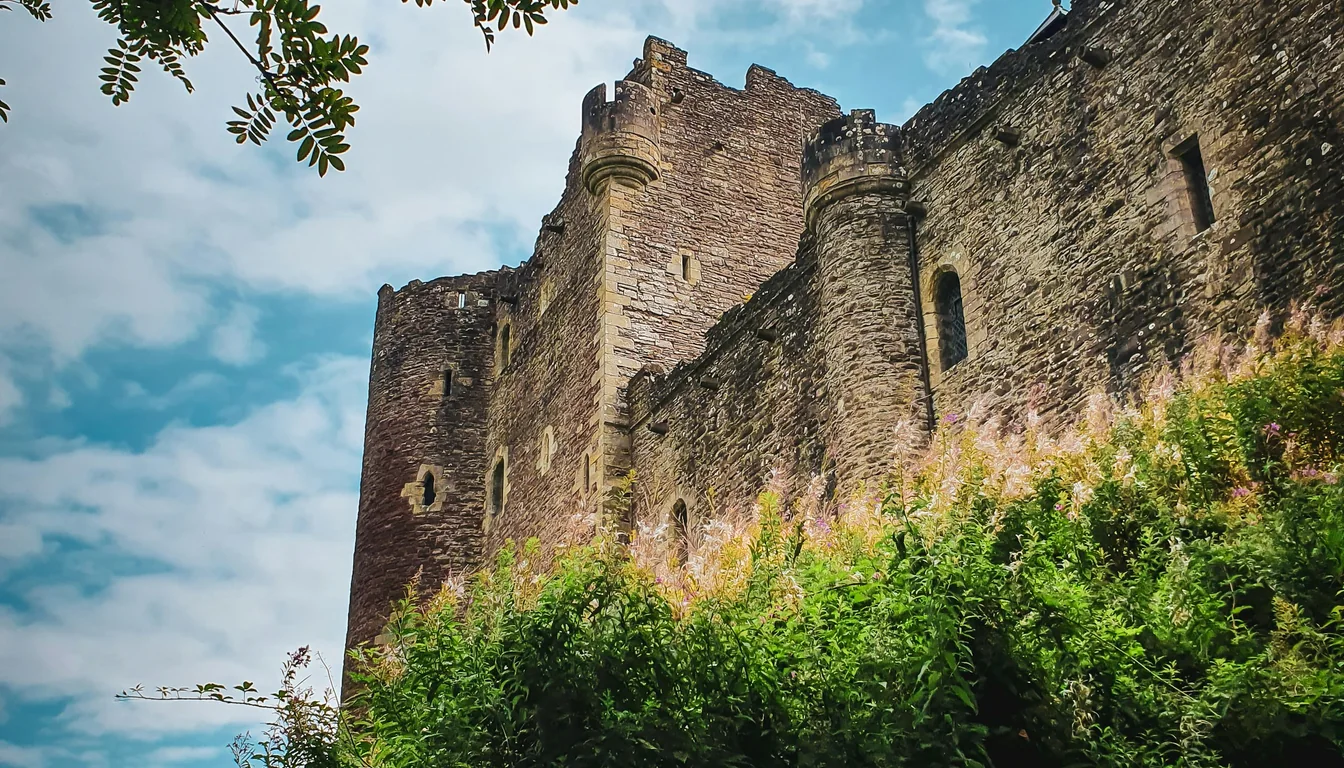 |
|---|---|---|
| Route | HES lists the 59 bus from Stirling to Doune, taking about 30 minutes. | Choose castle or village parking before setting out. |
| Final approach | The castle is 0.5 mile from Bank Street; its final approach is steep and cobbled. | HES lists a 275m castle approach, ending in steep uneven cobbles. |
| Trade-off | Check the exact outward and return services before choosing admission. | Castle parking is very limited, so plan an alternative walking route. |
| Next step | Plan entry after travel | Compare the parking walks |
Bus through Stirling
- Route
- HES lists the 59 bus from Stirling to Doune, taking about 30 minutes.
- Final approach
- The castle is 0.5 mile from Bank Street; its final approach is steep and cobbled.
- Trade-off
- Check the exact outward and return services before choosing admission.
Drive and walk
- Route
- Choose castle or village parking before setting out.
- Final approach
- HES lists a 275m castle approach, ending in steep uneven cobbles.
- Trade-off
- Castle parking is very limited, so plan an alternative walking route.
In this guide8
The final part of getting to Doune Castle can take more thought than the train trip to Stirling. Parking is limited, the village bus stop is away from the entrance and the approach ends on steep cobbles. This guide helps you choose a route from Edinburgh, Glasgow or Stirling and reach the rooms with time to spare.
Reach Doune Castle through Stirling by train and village bus, or drive with a village parking plan rather than relying on the small castle car park. The published number 59 bus takes about 30 minutes from Stirling; the castle is half a mile from the village stop. Check the day's return service before leaving. The last approach is steep and uneven, and the main interior rooms need stairs.
For the four published walks from Draggie Burn and the scope of the Edinburgh rail figures, use the Doune arrival facts and walking table.
Choose your route to Doune Castle via Stirling
The castle is on the village edge, 8.5 miles from Stirling and 4.5 miles from Dunblane. Those published distances help compare the last leg; they are not door-to-door driving times. Traffic, parking and where you start affect the total trip.
From Edinburgh or Glasgow, rail to Stirling is a useful starting point. The castle visit page confirms that both cities have trains to Stirling, and also to Dunblane. Doune itself is not the rail destination in that published route. You still need to plan the village connection and the walk after leaving the bus.
Use the castle's current travel and access page for the attraction's own arrival guidance. Check train and bus times for your exact day. A route that works on one weekday may not work the same way at a weekend or holiday.
Avoid choosing a tight entry slot from the train arrival time alone. You need time to leave the station, find the bus, travel to Doune and walk to the entrance. Missed connections are easier to handle if you have spare time before the slot. They become harder near winter last entry.
Travel from Edinburgh
Decide first whether Doune is the main visit or one of several filming stops. For a single castle visit, train and bus travel can give you more control over room time. For several places, each additional connection adds work. An Edinburgh departure does not mean the whole outing is one direct public transport ride.
Read the actual pick-up point and route, plus entry terms before booking. A guided day's total duration does not tell you how long its castle stop lasts.
Travel from Glasgow
Use the same last-leg checks even if your rail start is Glasgow. Confirm which train station and village bus route match the day. Don't assume an arrival at Dunblane gives the same onward service as Stirling. Choose the route with a workable return rather than just the shortest outbound train trip.
Take the village bus to Doune Castle
The published travel page says the number 59 bus runs from Stirling to Doune in about 30 minutes. The castle is half a mile from the village bus stop. They are useful planning facts, but not a live timetable or a promise that every service will run.
Check both outward and return services before boarding the train. Save the return options, including the final service you are willing to rely on. If the group wants lunch after the castle, work backwards from that return. A long meal is only useful if it does not leave you stranded.
The village walk is part of the visit. Carry a light bag, bring a waterproof layer and allow time for slower walkers. A half-mile distance can feel longer when you are looking for the route or stopping at crossings. Use signs and the current visit page rather than a vague instruction to head towards the castle.
If the bus plan fails, don't assume a taxi will be waiting in the village. Arrange a backup if it is needed. Ask a taxi provider for a quote and confirm pickup before relying on that option. A tour may reduce that uncertainty, while independent travel leaves you responsible for it.
Park for Doune Castle without relying on a space
There is very limited parking at the castle. The visit page recommends village car parks or public transport. It lists three free village parking choices, including the ponds and Draggie Burn Park & Stride. Check signs at the actual car park, as a published list is not a live space count.
The Park & Stride is beside Doune Ponds and is listed as a 20-minute walk from the castle. That can be a useful route if you want a woodland stop later. Add the walk to your booking plan. Arriving at the car park at your entry time means you still have the approach ahead of you.
The castle car park welcomes donations. It has two blue-badge spaces available on a first-come basis. They are not reserved by buying a standard admission ticket. If a nearby space is central to your access needs, seek current guidance before setting out.
Motorhomes, campervans, caravans and coaches cannot be accommodated in the castle car park. Small minibus parking needs advance arrangements and has size limits. Don't drive a larger vehicle to the entrance hoping an exception can be made on arrival. Use the published group travel instructions for that vehicle type.
Keep valuables out of sight and leave room for turning vehicles. The access road and car park also serve other visitors. You may need to leave the camera packed until you are clear of traffic. A photo of the castle is not a reason to stop where cars need to pass.
Check the final approach and Doune Castle inside
The path from the car park is 275 metres long. It begins on tarmac at a slight incline, then ends with a steep slope and rough, uneven cobbles. The published access description warns that these can be very slippery when wet. You can see the route from the car park, which helps assess it before committing.
The entrance slopes uphill and has a single handrail. Beyond it, the courtyard is grassed and uneven. Ground-floor access does not describe every room. The kitchen, great hall and Duke's Hall are on the first floor, with stairs and raised thresholds.
The visit page lists 22 steps to the servery and 26 to the kitchen from the courtyard. Higher chambers are reached by uneven spiral stairs with handrails. If you came chiefly for those rooms, check whether the whole party can manage the route. A reduced-mobility plan may need a different balance of exterior and room time.
An adapted toilet is listed near the car park, 25 metres along an artificial grass path. Baby changing and toilets are also among the facilities. Use the current page for their location and availability rather than assuming every facility sits inside the main castle entrance.
Visitors' dogs are not permitted in Doune Castle; assistance dogs are allowed under the published rules. Check this before setting out with a dog. A plan for a nearby walk is separate from admission to the castle, and dogs must not be left unattended.
Build enough time into the Doune day
For a first interior visit, allow roughly 90 minutes as an editorial planning estimate. Add travel, a meal and any woodland walk separately. Someone who listens to the full guide or takes many photographs may want more time. A quick visitor may need less.
Winter opening is listed as 10am to 4pm; summer opening as 9.30am to 5.30pm. Last entry is 45 minutes before closing. They make an early winter slot a better fit for a day with public transport and lunch.
Load the phone audio guide from the pre-visit instructions and bring a charged phone. It needs internet access. Save travel details too, so the same battery serves both the visit and the return route. If charge is low, decide which matters most before taking dozens of photos.
Plan the next part
Use the Doune Castle overview for room priorities. The Doune village guide helps choose a walk after admission. Then plan a meal stop around the bus return or parking walk rather than adding it at the last minute.
FAQ
Is there a direct train to Doune Castle?
The published arrival route uses trains to Stirling or Dunblane, followed by onward travel to Doune. The castle page lists the number 59 bus from Stirling. Check the exact day and the return connection before booking admission. You still have a village walk after the bus, rather than a rail stop at the gate.
How far is the castle from the village bus stop?
The published travel page gives half a mile from the village stop to the castle. Leave extra time if you walk slowly or need to find the route. The final castle approach is steep and uneven. Treat the distance as part of your arrival plan, rather than time already included in the bus ride.
Can I park at Doune Castle?
There is a very limited visitor car park, with donations welcomed. The visit page recommends village parking or public transport and lists a Park & Stride with a 20-minute walk. Two blue-badge spaces are first come. Larger leisure vehicles and coaches cannot use the castle car park, so plan a suitable alternative.
Is the interior step-free?
No, the main first-floor rooms need stairs and the upper chambers use uneven spiral stairs. The courtyard is uneven too. Read the access description before choosing a room-focused visit. Reaching a parking space does not remove the steep cobbled approach or provide step-free access to the kitchen and great hall.
Verdict
Getting to Doune Castle is easiest when you plan the return before the outward trip. Use Stirling's rail-and-bus route or a village parking plan, then leave a margin for the uphill approach. Check the stairs before booking if the interior is the main reason for coming.