
Stirling Castle history: reading the buildings in order
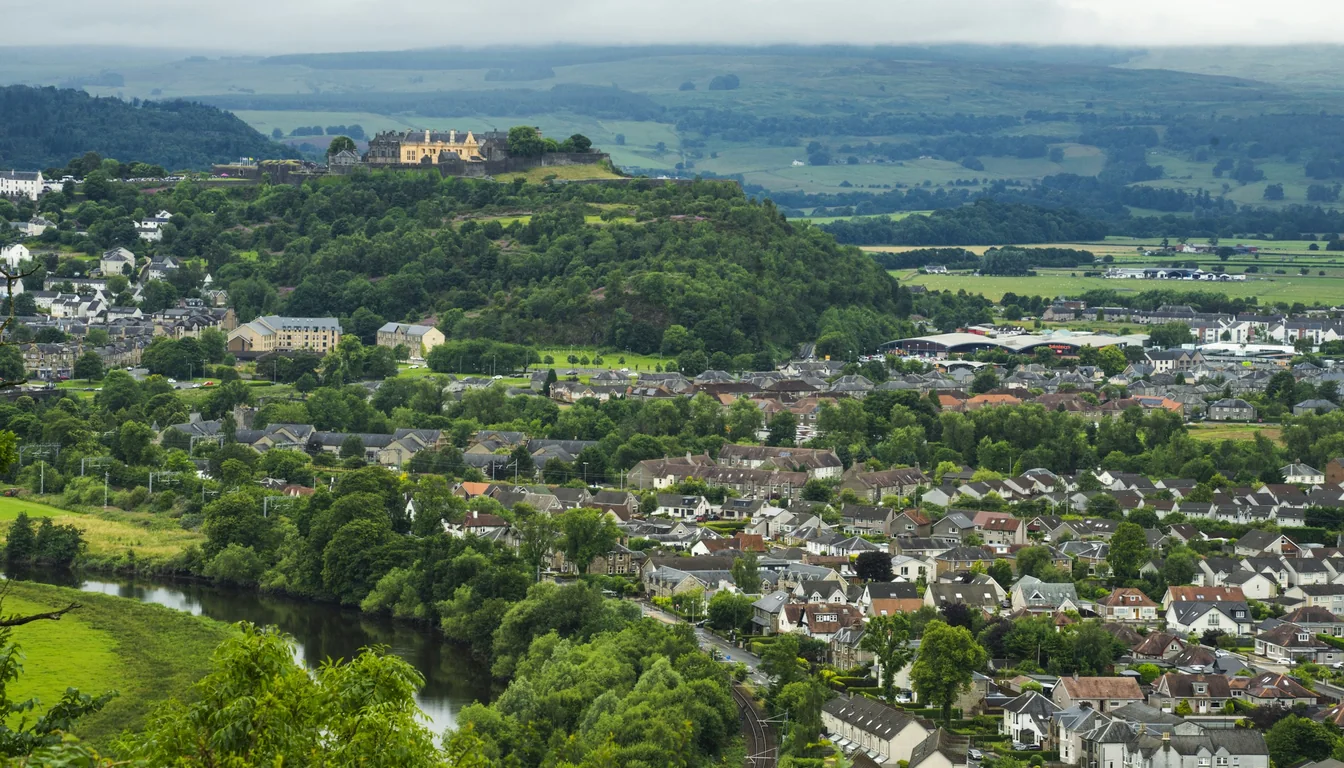
Read Stirling Castle's history through the buildings around the Inner Close. Trace the royal complex and keep disputed or approximate dates clear.
Last updated
The short answer
Read Stirling Castle history as layers: defensive position, contested fortress, royal buildings and later military use. A few dates around the Inner Close can turn the visit from a list of rooms into a clear sequence of building and rebuilding.
In this guide8
Stirling Castle history makes more sense when you read the buildings in order. The rock was useful for defence, but most of the royal spaces visitors notice belong to later building campaigns. Start with the position, then compare the dates around the Inner Close.
The castle is first mentioned around 1110. Its position above the lowest Forth crossing made it a contested stronghold. The main royal buildings came later. The older royal building dates to 1496. The Great Hall followed around 1503. The palace dates to around 1540, and the chapel to 1594. Later military works add another layer. Use those dates to read the site without treating every wall as medieval.
Read Stirling Castle history from the rock
The castle stands on a volcanic outcrop above the surrounding country. For centuries it guarded the lowest crossing of the River Forth. Its military use begins with that position, not with the beauty of a room.
The first mention around 1110 comes from a written record. It does not date all the buildings now on the site. Separate the history of a fortified site from the date of each structure. That avoids the common mistake of calling the whole visit an unchanged castle from one century.
The outer defences, main enclosure and Nether Bailey are three broad areas in the operator's history account. An enclosure means an area within a boundary. This is a useful way to read a fortress that has grown across several levels.
Follow Stirling Castle history through conflict
During the Wars of Independence, from 1296 to 1356, the castle changed hands several times. Battles near Stirling Bridge in 1297 and Bannockburn in 1314 belong to that wider contest. They explain why control of this stronghold mattered.
The defences were destroyed to stop an opposing army using them. Substantial rebuilding followed after recapture in 1336. And the castle returned to Scottish control in 1342. These dates show interruption and rebuilding, not one continuous line of untouched walls.
When looking at a defensive wall, ask which phase the label assigns to it. The view can explain the site, but dating the masonry needs more than its rough appearance.
Compare royal buildings around the Inner Close
The main royal group gives a clearer late-medieval and Renaissance sequence. The older royal building dates to 1496. The Great Hall followed around 1503, the Royal Palace around 1540 and the Chapel Royal in 1594.
The Stewart dynasty used large buildings to display power. Ceremony and gatherings added to that royal setting. Renaissance fashions from continental Europe influenced the palace. The castle was both a stronghold and a place for royal residence and celebration.
Read the palace's recreated interiors as an attempt to explain that court setting. They are not untouched furnishings from the day the building was finished. Seeing this distinction makes the visit more useful than simply asking whether a room looks old.
Notice later military buildings
The main entrance includes the Forework from around 1500 and outer defences added around 1710. The Great Kitchens belong to the early 1500s, while later army buildings surround the Outer Close. The Nether Bailey contains powder magazines from the 1800s.
This is why a castle walk can shift from royal court to military use within a few minutes. Buildings that look less large may still explain a later part of the site. Follow their labels instead of overlooking them because they are not palace rooms.
For a history-led visit, compare one defensive feature, one royal space and one later military building. That small route makes the time layers visible without trying to memorise every date before you arrive.
Turn dates into a simple walking order
A history-led route can begin at the defences, continue to the hall and palace, and finish with one later military area. That lets the buildings carry the story without a long timeline to memorise. Follow current open routes rather than insisting on a strict date order.
Use approximate dates as approximate dates. Around 1503 does not mean a precisely known completion day. A wall or room can have more than one phase. Read the site guide to find out which parts are older.
Plan the next part of your trip
Use the main visit guide to choose the rooms and the time block. Read Stirling Castle.
See how the palace and hall fit into the wider interior route. Read Stirling Castle interior.
Compare entry on your own and a planned route before choosing transport. Read Stirling Castle tours.
FAQ
How old is Stirling Castle?
The castle is first mentioned around 1110. But that does not date every building standing today. The main royal spaces were added in separate later campaigns, and military works continued afterwards. Read the age of the site separately from the age of the hall, palace, chapel or outer defences.
Why was the location important?
The volcanic rock gave the castle a strong defensive position above the lowest crossing of the River Forth. Control of that route helped make Stirling a contested stronghold. Looking out from allowed visitor areas can make the geography clearer, though the view alone cannot tell you the date of a wall.
When was the palace built?
The operator's history account dates the Royal Palace to around 1540. Its design used Renaissance fashions from continental Europe. The visitor interiors include later recreations of how the completed palace may have looked, so distinguish the building's historic date from the dates and evidence behind its present room displays.
Is the chapel the same age as the hall?
No. The Great Hall was added around 1503, while the Chapel Royal dates from 1594. They stand within the same main royal group but belong to distinct campaigns and uses. Seeing them together is a good way to understand how the castle grew over time rather than all at once.
Verdict
Read Stirling Castle history as layers: defensive position, contested fortress, royal buildings and later military use. Use the Inner Close dates to put the rooms in order. The site grew in stages. Wars damaged it, and later rulers built new spaces.