
Stirling Castle Great Hall: what the building tells you
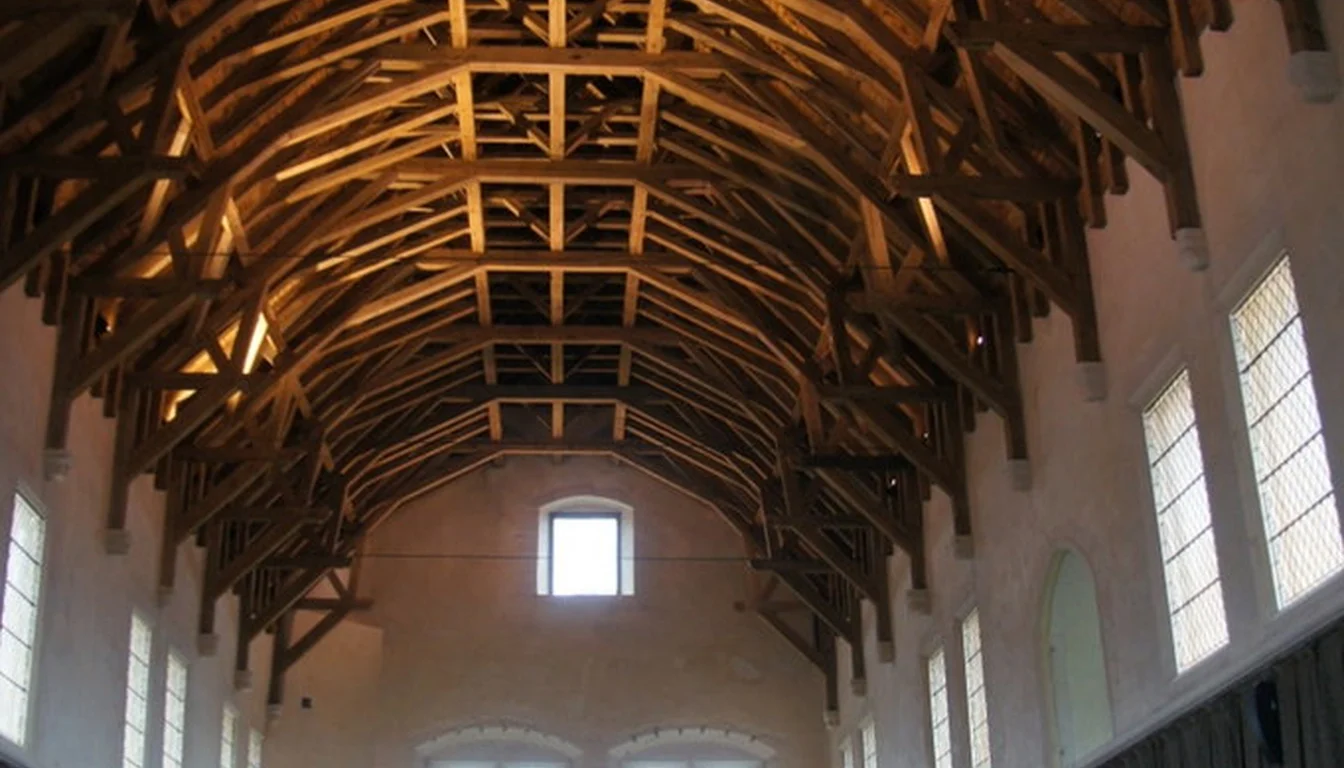

Look closely at Stirling Castle's Great Hall and its early-1500s setting. Read the building alongside the palace and plan access from the courtyard.
Last updated
The short answer
Use the Stirling Castle Great Hall to connect the fortress with its royal court. Read it beside the palace and chapel, check the uphill route and let the room's interpretation guide specific claims. The building deserves more than a quick map tick.
In this guide8
The Stirling Castle Great Hall makes most sense beside the palace and chapel, rather than as an isolated large room. It was added around 1503, earlier than those neighbouring royal buildings. Use that date and its place around the Inner Close to read the castle as a court as well as a fortress.
The Great Hall belongs to the early-1500s royal building campaign and stands within the main group around the Inner Close. Compare it with the later palace and chapel to see distinct court spaces. Its courtyard doorway has level access, though the route uphill includes cobbles and slopes. Allow time to look and read the room guide; a full castle visit is more useful than rushing in for one photo.
Place the Stirling Castle Great Hall in time
The operator's history page dates the Great Hall to around 1503. The older royal building dates to 1496, the Royal Palace to around 1540 and the Chapel Royal to 1594. Those dates put the hall within a sequence, not a single building project.
The Stewart court used large buildings and celebrations to display power. The hall belongs to that royal setting. Its date falls before the palace's later Renaissance rooms, so compare the buildings instead of describing them all as one palace interior.
The castle's long history also includes warfare and military occupation. A royal hall is only one part of the story. Use the defensive approach and later army buildings to keep that wider history in view.
Read the Great Hall from the Inner Close
The Inner Close is the central square framed by the main royal buildings. Pause here before entering the hall. Seeing the building in that group gives the room a clearer purpose than walking straight in from a map number.
Look at the room's size and read the signs supplied on site. The scale helps explain its role as a place for royal gatherings. Use the building's stated history to read the room. Do not assume that a display recalls one banquet or ceremony.
A visit can compare a large communal royal room with the palace's smaller rooms and the chapel's ceremonial use. That gives children or first-time visitors three distinct spaces to remember without requiring a long list of personal names.
Separate historic fabric from later work
A historic building can contain repairs, restoration and later presentation. Do not assume every surface you see has survived unchanged since around 1503. Read labels for the exact work they describe.
The hall's date helps place it beside the palace and chapel. Read the room labels for details of repairs and restoration. A building can keep old stone while also having later work.
For your own photos, record the building label if allowed. It helps keep captions accurate later. A broad room view and a courtyard view can explain the relationship more clearly than a dramatic image described with unsupported details.
Check access to the Stirling Castle Great Hall
The visit page states that the Great Hall has level access from the cobbled courtyard. The castle's approach and main route still include slopes. The useful access question therefore covers the route to the door as well as the door itself.
A mobility vehicle to the Inner Close can be requested at the entrance. Availability depends on trained staff and the dimensions of the kit travelling. Leave time for a possible wait if that service is part of your plan.
The chapel also has level access from the courtyard, while the kitchens are down steps. Build a room route that fits your group. A visit can still connect the hall with other royal spaces without requiring every museum and staircase.
Give the hall a useful place in the visit
For a short castle route, pair the hall with the palace and a courtyard pause. For a longer route, add the chapel and decide on kitchens or museums. These are editorial suggestions, not a required order of entry.
Allow time to look at the room after reading its signs. There is no need to assign a fixed minute count to every visitor. A history-focused group may linger, while a family may prefer a shorter stop and another building.
The normal winter castle closing is 17:00, with last entry at 16:00. Give the main royal group more room than the final hour when possible. An event held in the hall would have its own dated terms; it does not establish everyday event access.
Plan the next part of your trip
Use the main visit guide to choose the rooms and the time block. Read Stirling Castle.
Read the building dates before deciding which spaces to put first. Read Stirling Castle history.
Compare entry on your own and a planned route before choosing transport. Read Stirling Castle tours.
FAQ
When was the Great Hall built?
The site's history page dates it to around 1503. It belongs to an earlier royal building campaign than the palace of around 1540 and the chapel of 1594. Use those approximate dates to compare the buildings around the Inner Close rather than treating them as rooms made at one time.
Is the hall part of the palace?
It is a distinct building within the main royal group around the Inner Close. The nearby Royal Palace has a later date and a distinct room setting. Seeing the two together helps explain the court. But they should not be described as a single uninterrupted palace interior with one construction date.
Does the Great Hall have steps at entry?
The visit guide states that it has level access from the cobbled courtyard. The route up to that courtyard still has slopes and uneven surfaces. Check the whole approach with staff if needed. And do not treat a level doorway as proof that the full castle route is level.
Can I book a hall event with ordinary entry?
A separate event needs its own dated listing and ticket terms. Ordinary entry does not establish a performance, private use or access outside normal hours. If an event in the hall interests you, read its venue and inclusion details before arranging the castle visit around that programme.
Verdict
Use the Stirling Castle Great Hall to connect the fortress with its royal court. Read it beside the palace and chapel. Check the uphill route, and use the room signs for specific facts. The building deserves more than a quick map tick.